
Read this article in another language
Short answer: Links refer to this article. Existing localized editions may differ from the source. Unavailable languages are not translated pages.
A pop up shop has a short selling window and limited space. Your squishy toy range needs to be easy to explain, quick to replenish and practical to take home if it does not sell. Plan those details before choosing how many styles to bring.
On this page
Start with the space available and the time staff can spend on each customer. A crowded table may show more products, but it can also make prices, variants and stock counts harder to manage during a busy period.
Build an assortment that fits the stall
Choose a small group of visually distinct products and give each a defined place. A character style, a food shape and a contrasting tactile option can create choice without filling every surface with similar items.
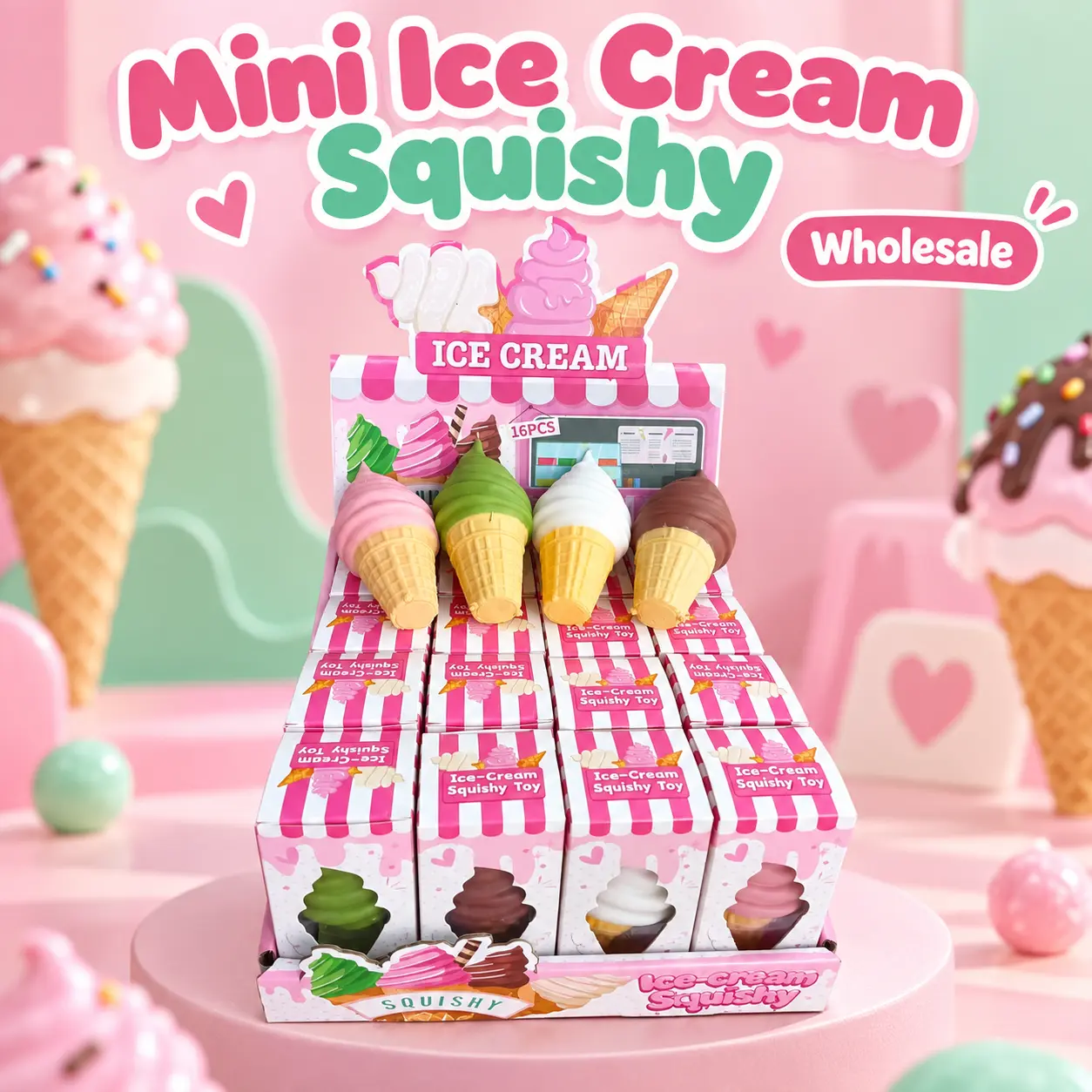
Use the RUIWO squishy range to prepare a shortlist, then check finished package sizes. Include the room needed for price signs, payment handling and safe access around the table. A sample layout at home can reveal whether the proposed assortment is realistic.
Keep weather and venue conditions in mind when selecting products and positioning stock. Follow the supplier's storage and handling instructions, and avoid exposing goods to conditions that the product has not been approved to tolerate.
Separate display stock from reserve stock
Decide how many packaged units must be visible for each style and how much reserve stock fits within easy reach. Store reserves with clear identifiers so staff can replenish the correct product quickly.
Count demonstration pieces separately. If customers can try a product, use a defined sample rather than allowing each packaged unit to become a tester. Confirm the product is suitable for the demonstration arrangement you plan to use.
Keep the display presentable as items sell. A smaller tray or adjustable divider may work better than a large box that looks empty after a few purchases. Use the counter display guide to consider the retail layout.
Plan an opening quantity without inventing demand
Past results from comparable events are more useful than a broad claim that squishies are popular. Compare event duration, visitor profile, selling position, weather and your own pricing before using an earlier event as a forecast.
For a first event, treat the quantity as a controlled trial. An illustrative plan with four styles at 18 sellable pieces each totals 72 pieces. Demonstration units, if needed, would be recorded separately. The numbers are not a forecast, supplier minimum or standard RUIWO pack.
Check whether the proposed order fits your cash budget and whether leftovers can be sold through another channel. A range built entirely around one dated event may be harder to reuse than a collection with a broader theme.
Make prices and offers easy to process
Display the selling price beside each identified product. If you offer a bundle, list the eligible items and exact contents. Staff should be able to enter the sale and pack the offer without remembering an informal deal discussed earlier.
Use a simple stock sheet or your normal inventory system to record sales by style. Also record returns to stock, damaged packages and products removed from sale. A cash total alone will not tell you which items need replenishment.
Finish with a usable event record
Count remaining stock before it is mixed with other inventory. Reconcile opening stock, any replenishment, units sold and closing stock. Investigate differences while the team can still remember what happened.
Add short notes about repeated customer questions, requests for missing styles and products that attracted attention but did not convert into purchases. Use the evidence to refine the next event rather than automatically increasing every quantity.
Should every item be a low-priced impulse purchase
That depends on the event and your customers. A feature product may have a role, but it should justify its space and handling requirements within the overall assortment.
What should happen to unsold stock
Check its condition and return it to identified inventory. Decide whether to retain it for another event, list it online or adjust the assortment using actual sales evidence.
Share your event plan with RUIWO on WhatsApp, including the sales date, destination, selected styles and packing needs, to confirm an order that fits your setup.