
Read this article in another language
Short answer: Organize a try-me area with identified samples, matching stock and a practical staff review routine.
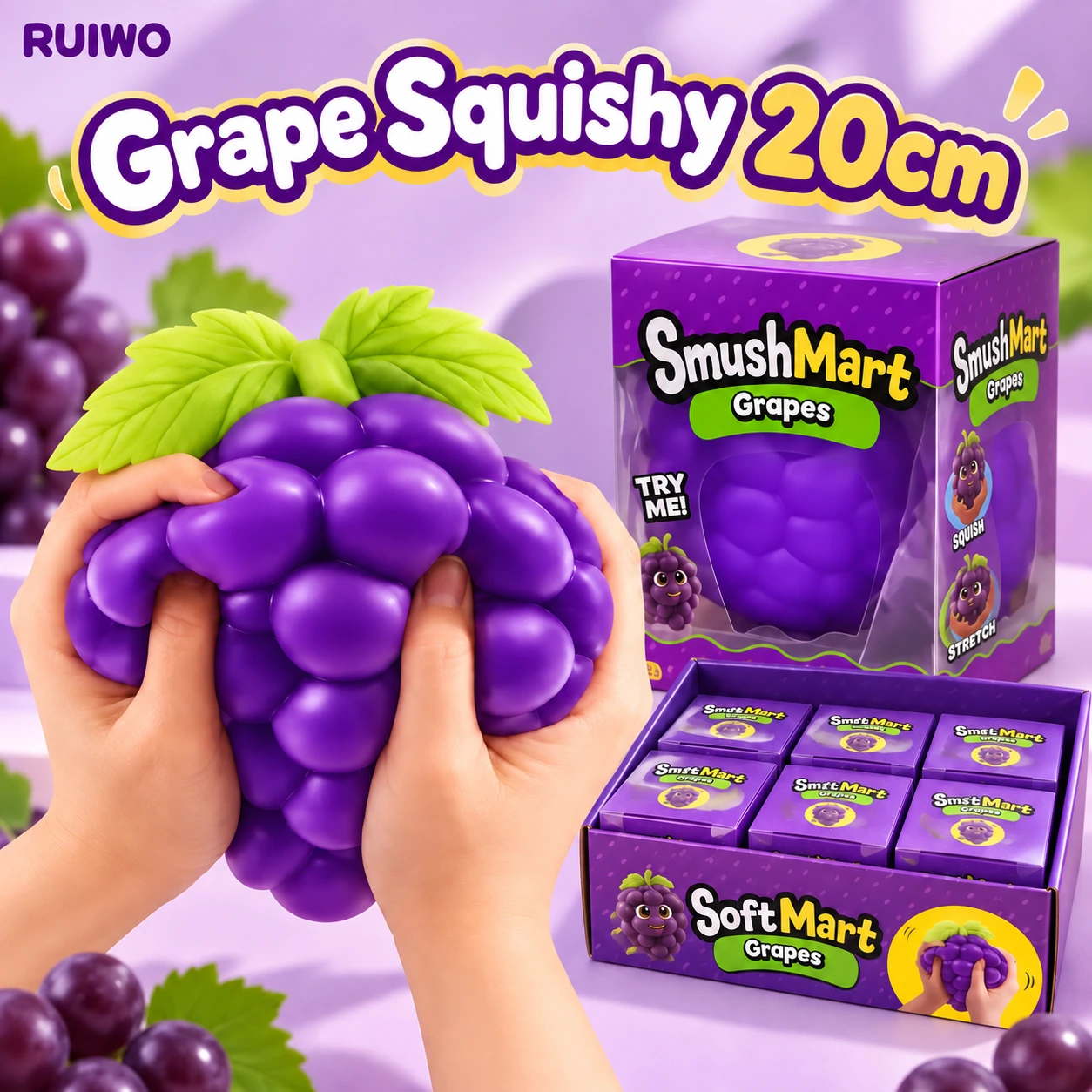
A retail tester display needs a controlled sample, a cleaning rule and a refill record. The tester should match the SKU and package that shoppers can buy.
| Reference | Recorded fact | Tester record |
|---|---|---|
| RIVO-AUG26-032 Capybara | TPR + flour; 36/carton reference | Batch, sample date and rebound note. |
| RIVO-XMAS26-003 Ice Cube | 100 g / 144-carton reference | Handling count and replacement trigger. |
| RUIWO-PU-2609-004 Keyboard | PU foam / 50 g; 288-carton reference | Key operation and care card. |
Match tester and sale unit
Put the tester's SKU, filling, colour and finish on a small label beside it. A different sample can mislead shoppers about the press, rebound or package.
On this page
Set the handling rule
Record who cleans the tester, how often it is inspected and what counts as damage. Keep a sealed replacement outside the display. Food-shaped toys are not edible; keep age and small-parts wording with the sale unit [Compliance confirmation].
Place the display
Use a stable tray or box with enough clearance for repeated pressing. Keep sealed stock behind the tester and show the product identity and unit format directly beside it.
Track refill and replacement
Log tester start date, handling count, cleaning, surface condition, rebound and replacement date. Refill the same SKU so the display remains comparable with the listing.
FAQ
Should the tester be sold?
Keep it outside saleable stock unless it passes the same inspection and packaging process as a new unit.
How many testers does a small shop need?
One tester per distinct texture or mechanism is usually enough; add another only when shoppers cannot compare the range from one sample.
Keep the tester log beside the display plan and reorder record.