
Read this article in another language
Links refer to this article. Existing localized editions may differ from the source. Unavailable languages are not translated pages.
Why sample approval needs a written checklist
Use this page for the final decision after the sample evaluation checks. The evaluation records what you observed; this approval record states what the supplier may use and which work can proceed. Complete one record for each materially different version.
| Approval field | Entry to complete |
|---|---|
| Approved object | Supplier SKU, selected size/color/filling, sample ID and date |
| Linked versions | Quotation, specification, artwork and retail-pack revisions |
| Decision | Approved / approved only for the stated scope / revise and resubmit |
| Open items | Issue, responsible person, required evidence and due date |
| Production release | Released or held; scope, authorized approver and date |
| Retained reference | Physical sample location and photo/video file references |
1. Identify the approved version
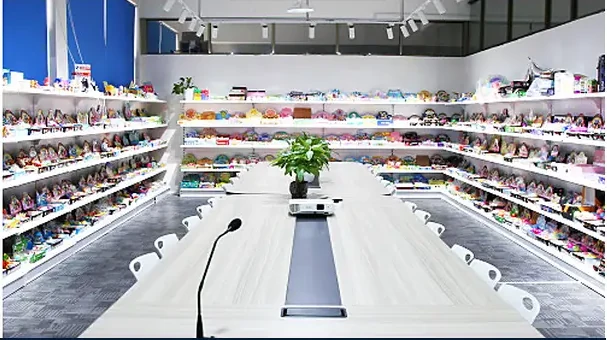
Connect the physical sample to the supplier SKU, selected variant and quotation. Identify a showroom or catalog image as a selection reference when it does not represent the final order. Do not approve an unspecified assortment or substitute size.
2. Accept the recorded dimensions and weight
Attach the measurement results from the sample review and any agreed acceptance criteria. State which size and package were measured. An unresolved measurement stays open; it should not become an accepted value merely because the sample looks similar.
3. Freeze the construction and handling reference
Record the approved body or skin, filling and finish alongside the sample ID. Attach the handling observations or unedited comparison video. If a proposed production version changes the construction, request a new review rather than carrying over the old approval.
4. Close or assign the observed issues
List unresolved surface, seam, leakage or other findings from the evaluation record. For each, name the owner, correction and evidence needed to close it. State explicitly whether that open item prevents release; silence is not acceptance.
5. Approve the artwork version separately
Record the approved color reference, print location and artwork file revision. Identify any decoration that is still provisional. Claims, age information and certification marks require their own basis for the selected product and destination.
6. Identify the approved packed sample
Link the product approval to the retail pack, insert, selling-unit quantity and label version. Keep structure approval separate from print approval when one is still pending. A later pack-size change also requires the carton plan and freight estimate to be checked.
7. Keep the compliance decision separate
Product appearance and handling approval do not establish chemical or regulatory compliance. Assign the destination-market document review to the responsible person and record its status separately. Use the testing and product document guide to organize the evidence.
8. Authorize release and retain the reference
Name the authorized approver, date and released scope. Retain the agreed physical sample and written specification as the golden-sample reference; log later changes as a new version. Bulk inspection remains a separate checkpoint against that approved reference.
Example of a limited approval: “Product sample S-01 is approved for the stated construction. Printed packaging P-02 remains open; bulk packing is held until the revised proof is signed.” These are illustrative record labels, not an actual Ruiwo order.
Frequently asked questions
Can I approve the product while packaging is still open?
Record a limited approval that identifies the accepted product version and the unresolved packaging work. State which activity remains held and who must sign the final package proof before it proceeds.
Does an approved sample prove regulatory compliance?
No. Product approval and compliance review are separate. Confirm the current requirements and relevant documents for the exact product and destination market.
What happens if the supplier changes the approved version?
Identify the change, update the record and agree which checks must be repeated before release. Keep the earlier golden sample and version history so the substitution is visible.