
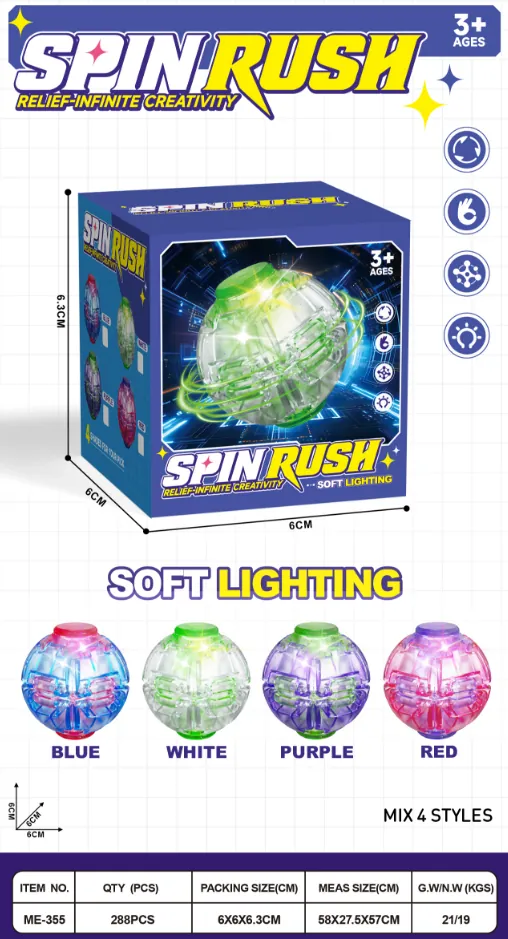
To reorder push spinners accurately, copy the approved full SKU and package version into a new quotation request, then ask the supplier to identify any changes. “Same as last time” is useful context, but it should not be the only product specification. The earlier order needs a traceable reference that both sides can compare with the current offer.
This is especially useful when a buyer handles several similar-looking models. A suffix, package format or powered feature may distinguish two order lines even when a small catalog thumbnail looks the same.
Start with the previous approved order
Collect the previous purchase order, dated quotation, approved sample record and packing information. Identify the exact lines being reordered. Separate them from products you considered but never approved, and from substitutes discussed after the original quotation.
Check what was actually received. If a change was accepted during the first order, the original inquiry may no longer describe the delivered version. Record the accepted change and use the resulting specification as the starting point for the reorder.
Do not rely solely on a saved picture. The image may show a product family rather than the exact package or feature version. A full SKU and an approved sample reference give the supplier a much clearer comparison.
Preserve every part of the SKU
The RUIWO push spinner catalog includes ME and HF references. Its SKU list treats codes such as HF-116B and HF-116B-1 as separate entries. Preserve the complete code when copying it into your purchasing sheet; do not remove the suffix because the first characters match.
The catalog also lists packaging by entry. For example, HF-116B is shown with an OPP bag, while HF-116A is shown with a display box. Use these as catalog references to confirm in the current quotation, not as a promise that an old package remains unchanged for a future order.
A letter or suffix is not a universal decoding rule. Ask the supplier what the selected code means rather than assuming every A, B or “-1” variation has the same relationship across all series.
Separate repeat requirements from requested changes
Create two short lists. The first identifies the features that should match the approved order. The second names the changes you are requesting, such as a new assortment ratio, revised artwork or different unit package.
If the new project changes both the product and package, describe those changes independently. This helps the supplier explain which parts affect sampling, quotation and packing. It also prevents an updated box from being mistaken for approval of an unreviewed product substitution.
Use a line-by-line comparison instead of one general approval for the entire range:
| Previous reference | Current supplier response | Buyer decision |
|---|---|---|
| Full product SKU | Same code or proposed replacement code | Confirm identity or request clarification |
| Approved sample version | Current sample or stated construction change | Accept the match or request review |
| Unit package and artwork | Current package and artwork revision | Approve the exact selling unit |
| Assortment quantities | Available mix for this order | Confirm quantities by selected code |
| Carton reference | Current packed quantity, dimensions and weight | Use the new confirmed packing data |
Reconfirm the quotation basis
An earlier order establishes a useful product reference, not a permanent price or delivery promise. Request a new dated quotation for the current quantity, destination, package and trade term. Ask the supplier to flag any change in availability, product specification or packing assumptions.
Use the latest confirmed carton information for shipment planning. Do not automatically carry an old gross weight or carton quantity into a new calculation when the package or assortment has changed. The carton and shipping guide explains why packed data belongs with the actual order version.
When comparing a replacement SKU with the previous item, keep the difference visible in the quotation review. A similar price does not establish an identical specification, and a different price does not explain which product feature changed.
Decide when another sample is needed
Ask for a fresh sample review when the proposed version changes a feature important to the buying decision, or when the supplier cannot establish a clear match with the retained reference. That may include the mechanical action, housing, powered effect, decoration or package fit.
State what the sample review must resolve. A new sample sent without an identified question can produce another round of general discussion. A request such as “compare the return action and package fit against approved sample X” is easier to close with evidence.
For a package revision, use the push spinner packaging guide alongside the previous approved pack. A digital image can help coordinate the change, but a physical package may still be needed to verify fit.
Pass the same version record to the warehouse
After approval, update the buyer SKU mapping and incoming-stock instructions. If a new supplier code replaces an old one, decide how staff will distinguish remaining stock from the new receipt. Do not merge the records until the relationship is clear.
Give the retail team the approved images and feature wording for the new version. This avoids selling a revised product under an old photograph or retaining a light-up claim when the incoming line does not include that feature.
Request a repeat-order quotation from Ruiwo Toys with the previous order reference, full selected codes and the new quantity for each line. Add a request for a written change list, including confirmation when the supplier identifies no changes. That record makes the reorder easier to approve and easier to receive.